

This year I spent more time than usual surrounded by old things: the Prado and Spain's churches and palaces in February, and later in September, Florence and Rome, where art is everywhere you look. These cities are defined by the art and buildings conceived centuries ago. Paintings for another world still draw millions. It blew me away. Then it made me wonder - what is the definitive art of our era that people will cross the world to see five hundred years from now.
Art has not disappeared. The market is worth tens of billions and museums are crowded. But the highest value sits with earlier generations. A casual Google search tells me that in 2025, Impressionist, Modern and Postwar works made up nearly three quarters of fine-art auction value. Contemporary art was 14%. We still prize art enormously. Mostly, we prize the inheritance we already have from generations ago.
Older art also relates to its audience differently. A Caravaggio, a Botticelli or Raphael's School of Athens (pictured at the bottom of the post) starts from stories people already knew: religion, mythology, philosophy, history. You don't need that context to appreciate the work, but it gives you more ways to experience and interpret it. These were individual works of genius built on a shared vocabulary. I remember standing in front of "School of Athens" and just feeling the sheer grandeur and complexity of the work, not to mention the different narratives one can draw from it.
Contemporary art often starts elsewhere. A Basquiat (seen below from The Broad Museum in LA) layers race, commerce, anatomy, language and power, but that context is less commonly shared, and sadly so. The work may be just as rich and complex, yet the audience has to find its way into a more personal vocabulary. We have moved from a small set of shared stories toward many fragmented ones.
Our incentives have changed too. Just think about it. Not long ago, billions of dollars and enormous attention flowed toward NFTs and digital monkeys. The problem was never that the work was digital. It was that the conversation centered on scarcity, price and resale. The system had become very good at rewarding novelty, speculation and attention. It was not about the art anymore.
That makes Renaissance patronage worth revisiting. The Medici and the popes were not selfless by any stretch of imagination. They commissioned art for religion, prestige, politics and ego. But those motives funded artists for years, sometimes decades, and produced work meant to live in churches and civic spaces. Much of it has become public inheritance.
For me, the real question is not be where today's Michelangelo is, but what we would ask that talent to spend ten years making, who would fund it, and whether the rest of us would ever see it. Surely we have incredibly talented artists today. I am less sure we have the shared stories, institutions and patrons that turn talent into inheritance.
A modern Michelangelo might still find a wealthy backer. But what would he be asked to make, and where would it live? A public museum, or a private collection seen by a few before resurfacing at auction? Commissioning great work is not the same as collecting it, and owning culture is not the same as making it public and durable.
AI will soon be able to generate unique pieces of art (while liberally borrowing from the masters) with just a few words dropped into a rectangular box. Competent images, music and prose will soon be nearly limitless. That does not make human art irrelevant. It may reveal that true art never lay in how an image was produced, but in judgment, mastery, ambition and time.
Every age tells stories about itself. I wonder which of ours will still be visible in five hundred years, and who is making sure they survive.
P.S. It is not lost on me that some of the most interesting pieces of art and architecture in Spain were produced in the 20th century. I am referring to the grand La Sagrada Familia in Barcelona and the many works of Picasso from the early 1900's. But the point still holds. They are the exceptions, much like the Basquiats.
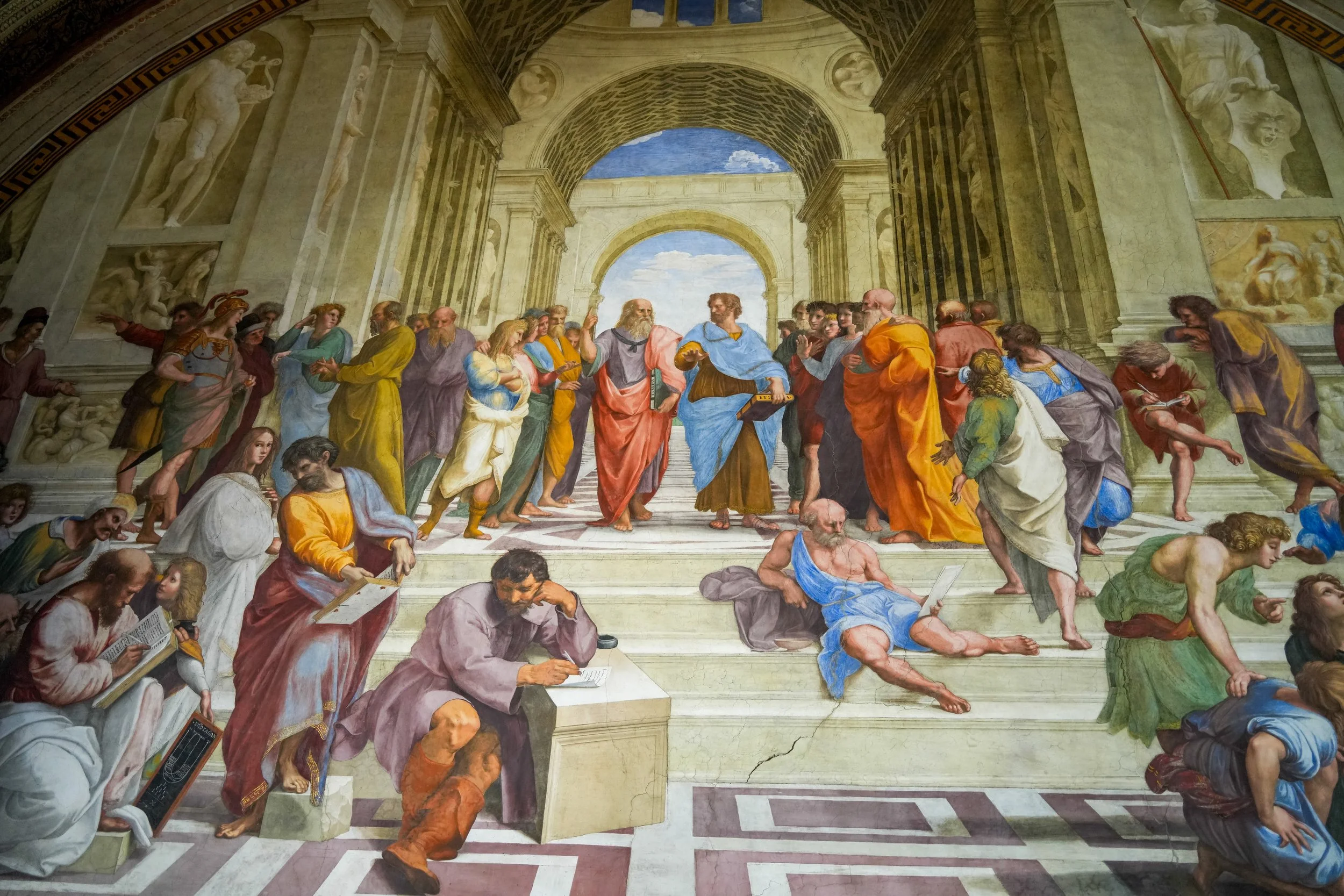
“School of Athens” by Raphael, Apostolic Palace, Vatican City.
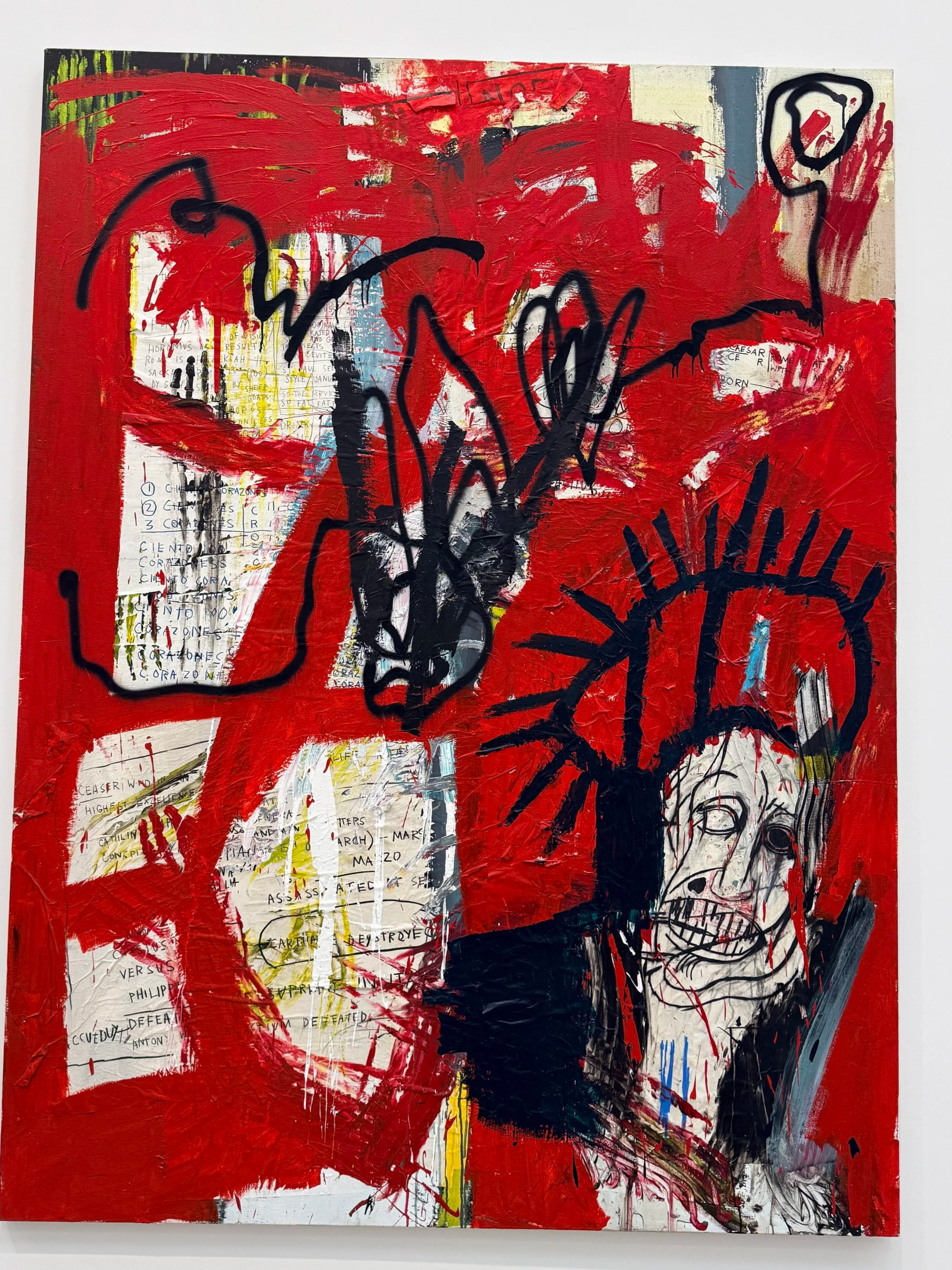
“Untitled” by Jean-Michel Basquiat, The Broad, Los Angeles
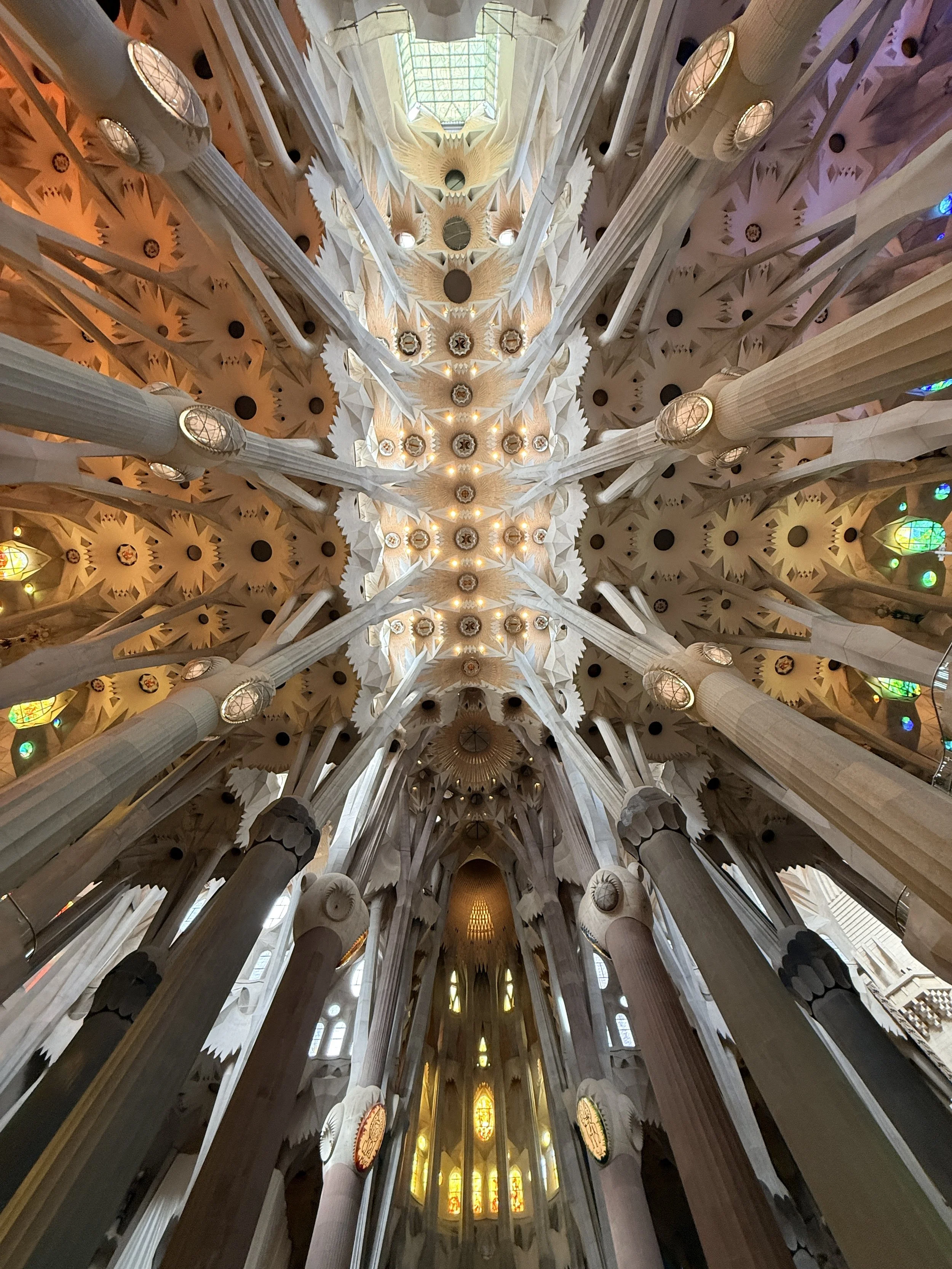
La Sagrada Familia, Barcelona, conceived by Gaudi in late 19th century. Completed in 2026.