
Workplace AI adoption right now isn't just a tooling challenge. It's a human one.
It doesn't matter if I'm at work, at dinner, or catching up with someone I haven't spoken to in months, the conversation almost always finds its way to AI. It's the ambient background hum of professional life in 2025.
I've been fortunate. My company has given me near unlimited access to tools and the space to genuinely explore them. To experiment, fail, and slowly build a sense of what actually works. Not everyone has that luxury. I am incredibly thankful for that. And the more conversations I have across industries and roles, the more I realize how rare that experience is.
More importantly, beneath the excitement around AI, there's a quieter anxiety rippling through workplaces right now.
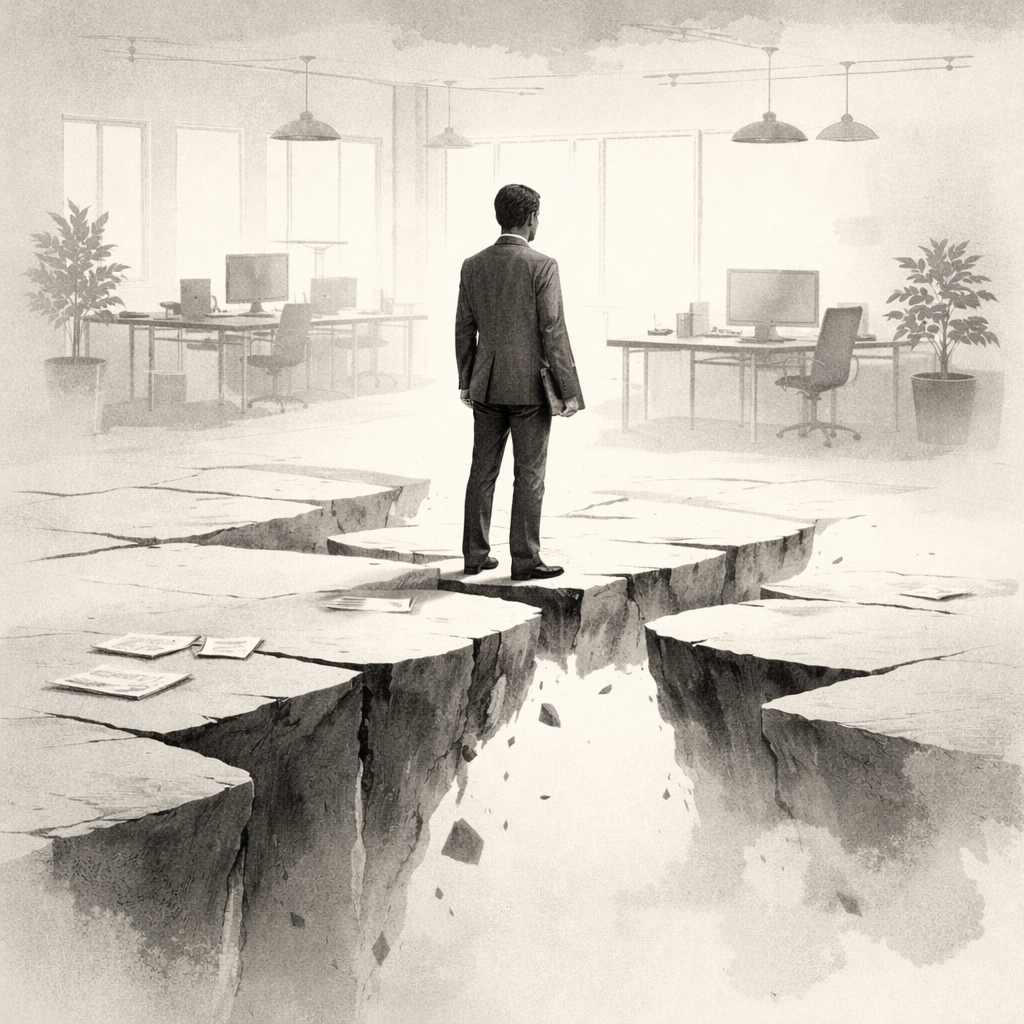
It's not just fear of being replaced. It's something more disorienting. New tools, new capabilities, and entirely new workflows appear before the last ones feel comfortable. Just when you think you've found solid ground, the ground shifts again. And underneath that constant motion is a specific fear: that if you fall too far behind, you become expendable. That feeling is valid. The pace of change in AI right now is genuinely disorienting, and feeling anxious about it isn't a personal failing. It's a human response to a very non-human rate of change. The first thing leaders can do is acknowledge that, out loud and without caveats.
But acknowledgment alone isn't enough. People need to learn, and they need to learn relatively quickly. What matters is how we support that learning.
There's a big difference between telling someone to "keep up" and actually giving them what they need to do so. Give people access to tools without gatekeeping. Create protected time for learning instead of squeezing it into the margins of an already full workday. Build environments where asking basic questions isn't embarrassing, and where trying something that doesn't work isn't treated as a performance issue.
Peer learning, small experiments, and low-stakes exploration aren't luxuries. They're how people actually internalize new ways of working. Because what's happening in workplaces right now isn't just a shift in tools. It's a shift in identity. People aren't just learning new software. They're renegotiating their sense of what they're good at, how they contribute, and where they fit. That deserves more than a lunch-and-learn and a Slack channel full of AI tips.
The organizations that navigate this transition well won't be the ones that adopted or demanded to adapt the fastest. They'll be the ones that created the most human conditions for it.